Golden Scars: Why American Collectors Are Falling for Japan's Broken-and-Rebuilt Pottery
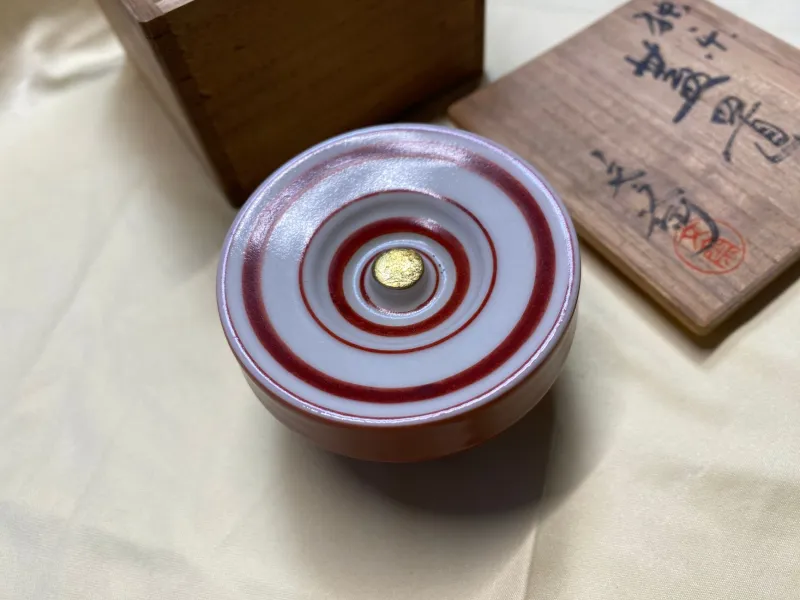
There's a particular kind of thrill that runs through the collectibles world when a category flips upside down. For centuries, a cracked teacup was a dead loss—tossed in the bin, written off, worthless. Now, American collectors are paying three, four, even five figures for Japanese ceramics precisely because they once broke.
Welcome to the world of kintsugi, where the repair is the treasure.
The Philosophy That Sold a Niche
Kintsugi (金継ぎ), literally "golden joinery," is the centuries-old Japanese practice of repairing broken pottery using urushi lacquer dusted with powdered gold, silver, or platinum. Rather than disguising the damage, the technique celebrates it—every fracture becomes a luminous seam, a record of the object's survival.
For American buyers, the timing couldn't be better. After a decade of Marie Kondo-fueled minimalism and sterile, mass-produced "aesthetic" homeware, there's a growing hunger for objects with a story—especially stories that include failure and redemption. A kintsugi bowl doesn't pretend to be perfect. It wears its history in gold.
"My customers aren't just buying a bowl," says one Portland-based dealer who imports restored ceramics from Kyoto estate sales. "They're buying the idea that broken things can become more valuable, not less. Honestly, people tell me it's therapy they can display on a mantel."
From Kyoto Attics to American Living Rooms
The supply chain is as fascinating as the demand. Japan's aging population and the well-documented problem of kaimono-nashi — heirs with no interest in family heirlooms — means estate sales and warehouse clearances in Kyoto, Kanazawa, and small pottery towns like Mashiko regularly surface tea ceremony vessels, sake cups, and Imari ware, some with repairs dating back generations.
Dealers scout these sales, buy entire lots, and ship them stateside, where pieces with quality gold repairs command the strongest prices. A mass-produced Meiji-era bowl might fetch $50 untouched; the same bowl with a genuine antique kintsugi repair can bring $400 to $1,200. Museum-adjacent pieces with documented provenance and fine gold work have crossed well into four figures at specialty auctions and online platforms like eBay and 1stDibs.
Real Gold or Gold Paint? How to Spot the Difference
Popularity always invites imitation, and kintsugi is no exception. The market is now flooded with "faux kintsugi" — mass-produced pieces where gold epoxy or gold paint is slathered over cracks, sometimes on pieces that were never even broken. Some factories deliberately crack new ceramics, then "repair" them for the Western gift market.
Here's what seasoned collectors look for:
- Texture: Authentic urushi lacquer repairs have subtle irregularity and a soft, deep sheen. Gold paint sits flat and uniform, often slightly plasticky.
- The seam line: Real kintsugi follows the actual break, with small chips and gaps where fragments were lost. Perfectly straight, suspiciously neat lines are a red flag.
- Age on the base: Check the unglazed foot for wear consistent with the piece's claimed era. A "Meiji-era" bowl with a factory-fresh bottom is trouble.
- Smell and weight: Genuine urushi has a faint organic character; epoxy fakes can smell chemical, especially when warmed.
- Price sanity: A $25 "antique kintsugi" tea bowl is not antique, not kintsugi, and probably not even tea bowl.
A Treasure That Teaches
At 世界の宝物, we've covered gachapon capsules and dagashi prizes — small treasures with outsized stories. Kintsugi might be the purest expression of that idea yet: an object's greatest flaw becomes its most valuable feature.
For American collectors, the lesson is twofold. First, if you're buying, buy with your eyes — authentic repairs reward patience and study. Second, and more poetically: before you discard that chipped heirloom from your grandmother's cabinet, take a second look. In the right hands, that fracture could be the beginning of its golden chapter.