Gum, Charms, and Gold: Inside America's Quiet Obsession with Vintage Dagashi Prizes
A Dime-Sized Piece of Showa-Era Japan
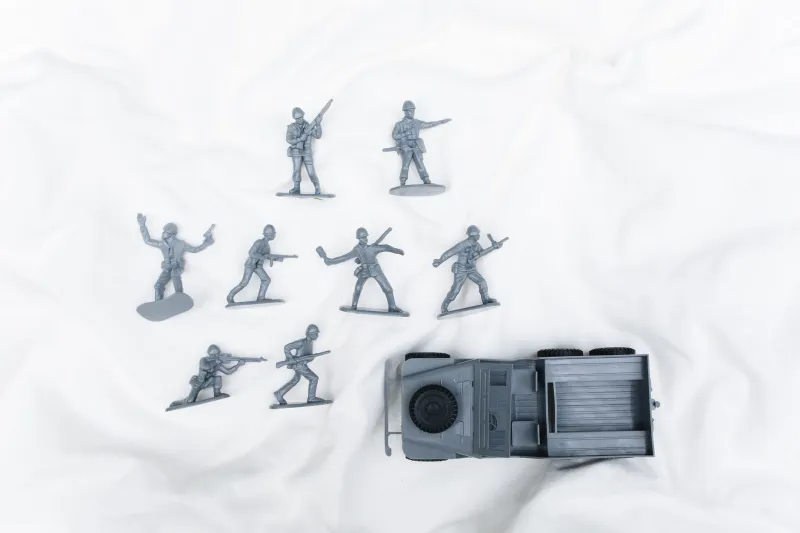
Walk the aisles of a collector show in Pasadena or Portland and you'll spot them: glass cases filled with palm-sized spacemen, stubby kaiju monsters, and tin whistle charms painted in faded candy colors. These aren't mass-market figures. They're dagashi prizes — the small toys and trinkets that came tucked inside penny candies sold at Japan's neighborhood dagashiya shops from the 1960s through the 1980s.
For decades, these miniatures were afterthoughts, meant to be played with until the sugar wore off. Today, complete sets in good condition can fetch anywhere from $80 to well over $500 from American buyers hungry for a tangible slice of Showa-era nostalgia.
Why American Collectors Are Hooked
Part of the appeal is pure design. Dagashi prizes were produced cheaply and quickly, which gave them a hand-painted, slightly wonky charm that modern precision-molded figures can't replicate. A 1970s soft vinyl kaiju with misaligned eyes isn't a flaw — it's character.
There's also the thrill of the hunt. Unlike mainstream collectibles, dagashi prizes were never documented in comprehensive catalogs. Serious collectors rely on Japanese auction archives, old shopkeepers' memories, and word of mouth to figure out what exists.
"You're not just buying a toy," says one West Coast importer who ships small lots from Osaka every month. "You're reconstructing a history nobody wrote down. That's the whole game."
Voices from Both Sides of the Pacific
For older Japanese sellers, parting with these pieces is bittersweet. Several retired dagashiya owners in rural prefectures have sold their remaining stock — sometimes boxes of unsold prizes stored for forty years — to dealers visiting Japan.
"These were five-yen treasures," one former shop owner in Shizuoka reportedly told a buyer. "Children saved their allowance for them. Now they fly to America. It's strange, but I think the children would be happy."
Importers, meanwhile, describe a market that has roughly tripled in the past decade, driven by social media communities where collectors post side-by-side comparisons and condition reports. Retro kaiju fandom, giant monster movies, and the broader resurgence of interest in mid-century Japanese design have all poured fuel on the fire.
What Actually Counts as a Dagashi Prize
Newcomers often confuse dagashi prizes with gachapon capsule toys or with larger sofubi figures. Here's the quick breakdown:
- Candy-included toys: Small figures, rings, or games packaged directly with gum or compressed sugar tablets, common from the late 1960s onward.
- Tin and die-cast charms: Miniature whistles, badges, and vehicles, often produced in the 1960s and early '70s.
- Mini vinyl and keshigomu (eraser) figures: Soft plastic monsters, robots, and characters from the '70s and '80s, frequently sold in sealed poly bags.
Condition matters enormously. Sun-faded paint, chew marks (yes, really — some were nearly in children's mouths), and missing original packaging can cut value by half or more. Sealed bags with the original candy intact are the holy grail, though most serious collectors quietly remove the decades-old sugar to prevent deterioration.
A Beginner's Guide to Spotting Rare Sets
Ready to start hunting? Keep these tips in your pocket:
- Learn the era markers. Pre-1970s pieces often carry heavier tin construction and hand-painted details. Later items lean toward injection-molded plastics.
- Check the bag. Original poly bags with Japanese printing — even torn ones — significantly boost authenticity and value.
- Buy the set, not the single. Complete multi-figure runs are exponentially rarer than orphans, because kids rarely collected full sets back in the day.
- Watch Japanese auction sites. Yahoo! Japan Auctions, accessed via proxy bidding services, remains the deepest source. Set alerts for terms like 駄菓子付録 (dagashi fuzoku, meaning candy appendix or premium).
- Hit US collector shows early. Importers often save their best pieces for the first hour. Arrive with cash and specific questions — dealers take knowledgeable buyers seriously.
Small Treasures, Big Stories
At 世界の宝物, we believe the world's greatest treasures aren't always locked in museums. Sometimes they're three inches tall, smell faintly of old bubblegum, and once cost the equivalent of a few coins. Dagashi prizes remind us that value is a story we tell together — and right now, American collectors are writing a new chapter for these tiny pieces of Japan.
If a dusty box of miniature monsters ever surfaces at your local flea market, take a closer look. You might be holding someone's childhood — and a genuine treasure of the world.