Tiny Flames, Big Art: The Japanese Matchbox Labels American Collectors Can't Stop Hunting
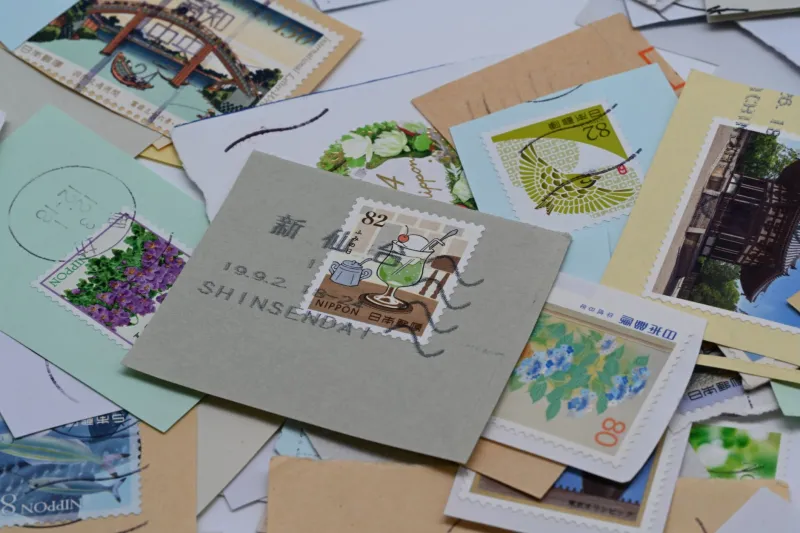
Some treasures fit in the palm of your hand. A netsuke. A gachapon capsule. And, increasingly, a faded rectangle of paper barely two inches tall that once kept a Japanese household's stove lit.
Vintage Japanese matchbox labels — known to collectors as matchbox labels or, in Japanese circles, matchobaku ephemera — are having a moment in the American collecting scene. Search eBay for "Japanese matchbox label vintage" and you'll find listings ranging from a few dollars to well over $100 for a single sheet. For paper smaller than a fortune cookie fortune, that's remarkable.
So what happened? We spoke with collectors and dug into the history to find out.
A Golden Age of Advertising, Struck by a Single Match
Between roughly the 1910s and the 1960s, Japan was one of the world's largest producers of matches. With hundreds of small match manufacturers competing for attention, the humble matchbox label became a battlefield of design.
Companies couldn't rely on brand recognition alone. So they commissioned artists to produce eye-catching miniature artwork: geisha in kimono, Mount Fuji at dawn, racing cars, ocean liners, kabuki actors, cartoon animals, and bold Art Deco lettering. Many labels drew directly from the ukiyo-e woodblock tradition — flat colors, strong outlines, dramatic composition — compressed into a format you could hold between two fingers.
"It's like a tiny museum of Japanese graphic design," says one Oregon-based collector who goes by the handle MatchFanPortland on eBay. "Every decade has its own look. Taisho-era labels feel ornate and hand-drawn. Postwar ones go bold and modern. You can trace the whole visual history of Japan in a shoebox of labels."
Why American Collectors Are Falling for Paper That Was Meant to Be Burned
The appeal is easy to understand once you hold one. Unlike posters or magazine ads, matchbox labels were disposable by design — struck, lit, and tossed. Survival itself makes them scarce.
Several forces converged to drive US interest:
- The tiny-art trend. Following the boom in netsuke, thimbles, and other pocket-sized collectibles, Americans have developed an appetite for art that doesn't demand wall space.
- Affordable entry points. While rare labels fetch real money, lots of 20 or 50 assorted labels often sell for $10–30. It's one of the last approachable paper-collecting niches.
- Design culture. Mid-century modern and Japanese aesthetic movements have never been more popular in the US. A 1950s match label looks right at home framed next to an Eames chair.
- The story factor. Each label carries a company name, a city of origin, and a design era — a narrative in two square inches.
What Makes a Label Valuable? Tips from the Hunt
Not every old label is a goldmine. Collectors we spoke with shared a few rules of thumb:
1. Condition matters, but not the way you'd think. Unused flat labels (called "box flats" — the full uncut sheet printed before folding) are generally more desirable than labels torn off used boxes. Mint flats with sharp colors and no foxing command premiums.
2. Look for the printer's marks. Quality labels often carry small text naming the printer or the match company — names like Chidori, Iwasaki, or Kobe-based manufacturers. Recognizable makers and unusual regional companies both attract bidders.
3. Theme drives price. Labels featuring geisha, Mount Fuji, and transportation (ships, planes, trains) are perennial favorites with Western buyers. Unusual themes — sports events, holidays, wartime-era designs — can spike interest among specialist collectors.
4. Uncut sheets are the jackpot. Occasionally, full uncut sheets of a dozen or more labels surface. These are the grail items of the hobby and can sell for hundreds of dollars.
5. Beware of reproductions. Popular designs have been reprinted, sometimes as souvenir sheets. Check paper age, printing method (older labels used letterpress with visible impression), and seller history before bidding big.
From Junk Drawer to Gallery Wall
Part of the charm is displayability. Unlike fragile porcelain, labels are flat, light, and frame-friendly. American collectors increasingly mount them in archival sleeves, arrange them in specimen-style grids, or frame a single striking design as affordable art.
"I started buying them because they were cheap and beautiful," MatchFanPortland told us. "Now I've got three framed pieces in my hallway and a binder with 400 more. My wife thought it was a weird phase. Then she picked her favorite label — a 1930s geisha with an orange sun behind her — and now she checks eBay listings before I do."
That's the quiet magic of this hobby. It rewards curiosity over budget, patience over luck, and an eye for design over deep pockets. Somewhere in an estate sale box, a flea market bin, or a grandmother's sewing kit, a two-inch rectangle of Japanese advertising history is waiting.
The world's treasures don't always come in vaults. Sometimes they come in matchboxes.
Where to Start Looking
New to the hunt? Begin with eBay lots of assorted vintage labels to train your eye, then specialize. Japanese auction sites like Yahoo! Auctions (via proxy services) offer deeper inventory. Paper ephemera shows and antique malls in larger US cities occasionally turn up overlooked albums. And always store labels away from direct sunlight and humidity — paper this old has earned its retirement.